

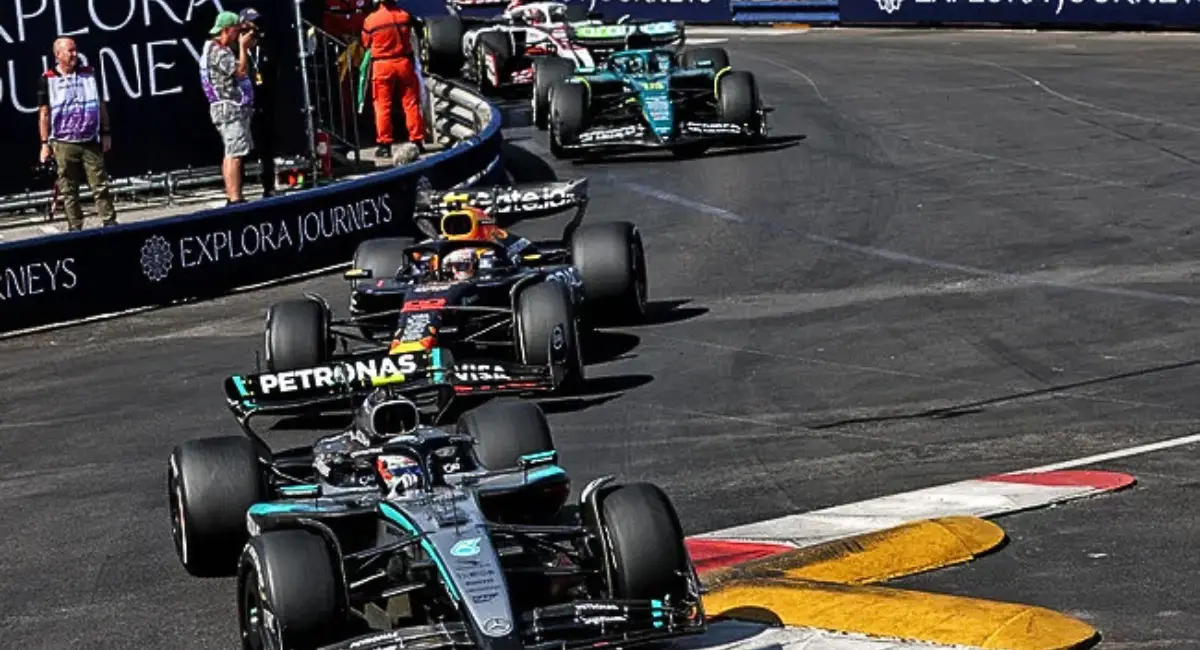
The Monaco Grand Prix has always been the odd one out on the Formula 1 calendar. That difference is likely to become far more pronounced with the sweeping regulatory changes that will go into effect in 2026. A modern Formula 1 car is a maze of intricate systems and energy management . The streets of Monte Carlo bring it down to just the driver , steering wheel and pedals .
Monaco Grand Prix Distance Rules
Each Formula 1 grand prix covers the minimum number of laps required to complete 305 kilometres. Everyone but Monaco, that’s for sure. The only exception to that rule is the Principality, where the minimum race distance is 260 kilometers. The total distance is about 45 kilometers less than any other round on the schedule at 260.286 kilometers, over 78 laps of the 3.337-kilometer street circuit.
This means that even if the current sprint format is reduced to a mere 100 kilometers, or a third of the distance, the Monaco Grand Prix is the original Formula 1 sprint event. And that shorter distance has an immediate effect on the running of the race. Tire wear is light, thanks to moderate speeds and the lack of long, sweeping high-speed turns.
Overtaking is near impossible on these streets, so any more stops are really a loss of position. Teams tend to make just one stop, without the strategy calling for it. Saving fuel is almost meaningless because fuel use is at its lowest annual level.
ALSO READ:
- Gout’s under-20 200m world record ratified
- Vaibhav Sooryavanshi hits 1,000 IPL runs, misses century in close call